You open your email on a normal workday and notice an attachment you weren’t expecting. It’s a confidential medical report from an employee.
As you glance at the name and details, your stomach drops — the report belongs to an employee in your organization, but not one you supervise, manage, or work with directly. You didn’t request it. You’re not authorized to see it. And it was clearly sent to you by mistake.
What do you do next?
This scenario may sound rare, but in modern workplaces filled with emails, shared drives, HR systems, and cloud tools, accidental exposure to confidential data happens more often than people realize. How you respond in this moment carries serious legal, ethical, and professional consequences.
Handled correctly, it demonstrates integrity, maturity, and sound judgment. Handled poorly, it can expose you — and your organization — to disciplinary action, legal risk, and lasting reputational damage.
Let’s break this down carefully, step by step, and explain the most ethical, professional, and defensible response.
Contents
The Scenario, Clearly Defined
What should you do if you accidentally received a confidential medical report from an employee who is not under your jurisdiction?
You receive an extremely confidential medical report:
- It belongs to an employee you do not supervise
- You are not authorized to access it
- You did not request it
- It contains sensitive personal health information
- It was clearly sent to you in error
At this point, many professionals hesitate. Some think, “Let me read it to understand how serious it is.” Others believe, “I should forward this to my supervisor.” A few may even consider contacting the employee directly.
Only one response fully meets ethical, legal, and professional standards.
The correct action is to securely destroy the document according to organizational protocol and report the incident to the officer in charge (HR, Data Protection Officer, or Compliance Office).
Why Health Data Demands Extreme Caution in Kenya
Under the Data Protection Act 2019 (Section 2 & 46), health data is sensitive personal data. It may only be processed by:
- Health care providers
- Persons bound by professional secrecy
- Or under strict public health/legal exceptions
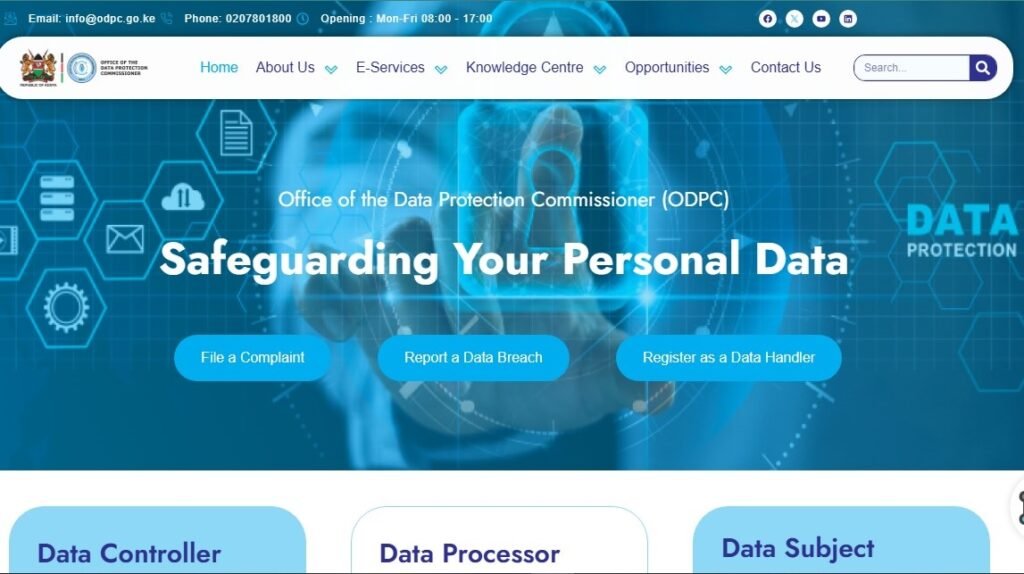
Accidental receipt does not grant access rights. Continuing to read = unauthorized processing. Forwarding or retaining = potential breach (Section 43 requires controllers to notify ODPC within 72 hours if risk exists).
Globally, frameworks like GDPR/HIPAA echo this: curiosity or “helping” escalates exposure.
What does this mean in practice?
If you are not part of:
- HR medical administration
- Occupational health services
- Compliance or data protection teams
you have no legal or ethical right to access, retain, or share medical information — even if it arrives in your inbox by mistake.
Accidental receipt does not create authorization.
4 Steps to Take After Receiving a Confidential Medical Report by Mistake
In the event you accidentally receive a highly confidential medical report, follow these steps to professionally and ethically resolve the matter:
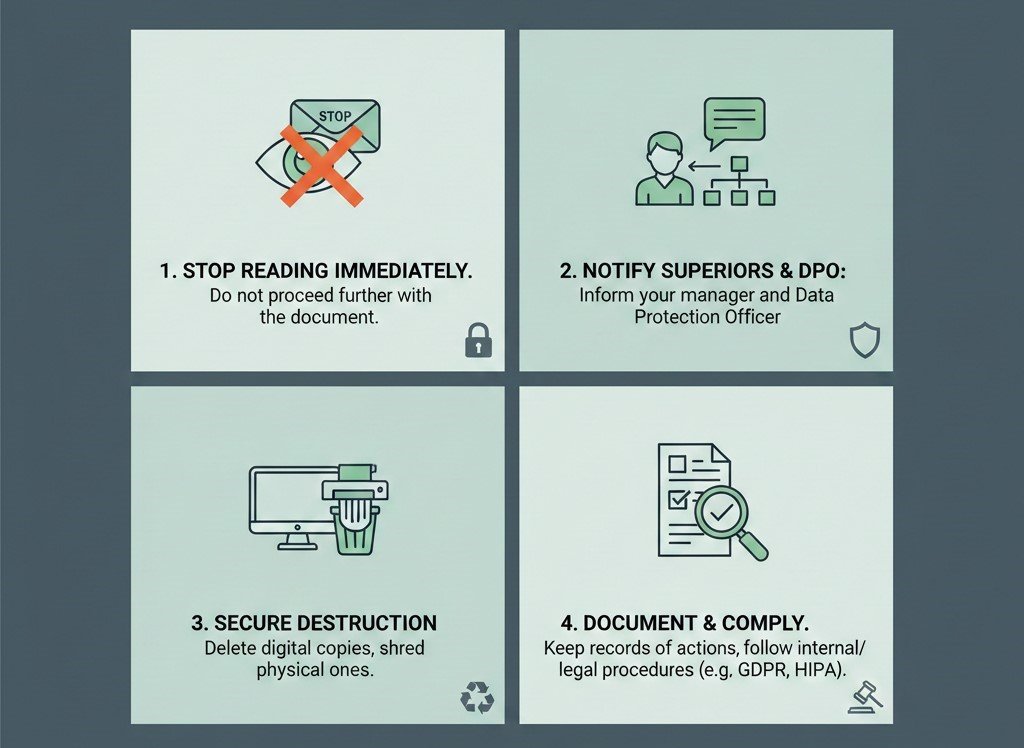
1. Stop Reading Immediately (Containment)
The moment you recognize the document as confidential medical information not meant for you, stop reading. Curiosity is human — but continuing to read becomes unauthorized access.
Containment is your first responsibility. The goal is to prevent any further exposure.
2. Do Not Share — With Anyone
Do not:
- Forward the email
- Screenshot the document
- Print it
- Discuss it verbally
- “Show” it to a supervisor or colleague
Even well-meaning disclosure multiplies risk. In sensitive data handling, less access is always better.
3. Securely Destroy the Document
Follow your organization’s data protection policies:
- Email: Delete the message and permanently remove it from the “Deleted Items” folder
- Digital file: Perform secure deletion so it cannot be recovered
- Physical copy: Use a confidential shredding bin or approved destruction method
This aligns with the principle of data minimization — only retain data when absolutely necessary and authorized.
4. Report the Incident Through Official Channels
Immediately report the incident to the appropriate authority, such as:
- HR
- Data Protection Officer
- Compliance Officer
- Medical or Occupational Health Unit
Your report should be factual and brief:
- Who sent the document
- When you received it
- The nature of the information (medical data)
- The actions you took to contain and destroy it
This protects you and allows the organization to address the root cause of the breach.
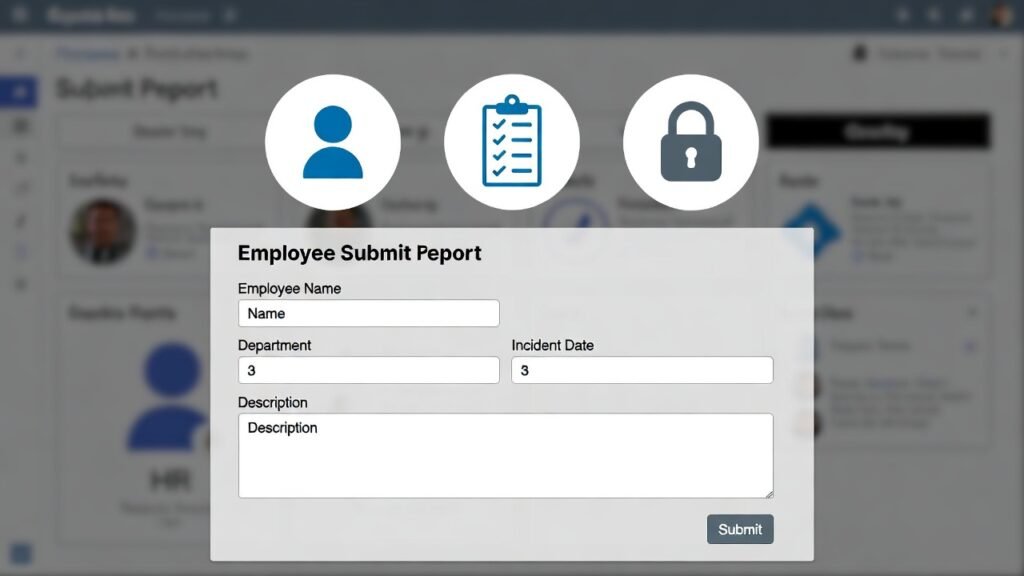
Why Sharing the Confidential Medical Report with a Supervisor Is Not the Right Choice
Many people assume that escalating to a supervisor is the safest option. In most work situations, that instinct is correct — but confidentiality overrides hierarchy.
Authority Does Not Equal Authorization
A supervisor’s seniority does not automatically grant them access to medical information. Unless their role explicitly includes medical data oversight, sharing the report with them is still a confidentiality breach.
It Expands the Circle of Exposure
Each additional person who views the information increases the risk of:
- Accidental leaks
- Gossip or stigma
- Improper decisions based on private health data
From both ethical and risk-management perspectives, forwarding is the weaker option.
RECOMMENDED READING:
How to survive toxic team dynamics at work
Why it is so hard to find a job right now
What You Should Never Do If You Accidentally Received a Confidential Medical Report
Even well-intentioned actions can be harmful. Avoid these common mistakes in case you accidentally received confidential medical report.
Reading “Out of Curiosity”
Once you identify the document as medical and unauthorized, continuing to read is a violation of privacy.
Keeping the File “Just in Case”
Retaining sensitive data without authorization exposes you and the organization to unnecessary risk.
Discussing the Incident Casually
Even vague comments like “I received someone’s medical report by mistake” can trigger speculation and gossip.
Contacting the Employee Directly
This may cause anxiety or embarrassment. All communication should be handled by HR or compliance teams.
The Ethical Principles at Work
This scenario tests core professional values that apply across industries:
Confidentiality
Employees trust organizations to protect their personal data. Breaching that trust damages morale and culture.
Integrity
Doing the right thing when no one is watching is the foundation of professionalism.
Accountability
Reporting incidents transparently allows organizations to fix system failures and prevent future breaches.
Respect for Human Dignity
Health information is deeply personal. Protecting it is a matter of basic respect.

Why This Scenario Matters for Your Career
How you handle confidential information is not a small detail — it’s a career signal.
Organizations promote people who demonstrate:
- Ethical judgment
- Discretion
- Reliability under pressure
- Respect for policy and law
In fields such as public service, HR, healthcare, education, finance, and compliance, confidentiality competence is often a core performance metric. One misstep can permanently damage trust.
Ethical & Career Impact
Handling this correctly signals:
- Integrity under pressure
- Discretion & policy respect
- Leadership potential
In Kenyan public service interviews, county aptitude tests, HR/compliance roles, or corporate assessments, scenarios like this appear often. The strongest answers always prioritize protocol, containment, official reporting — not escalation or curiosity.
One ethical lapse can erode trust for years. One correct response builds lifelong credibility.
FAQs on How to Handle Confidential Medical Report
What action should be taken if an employee accidentally sends confidential data to the wrong recipient?
Immediate containment, secure deletion, and formal reporting to HR or a privacy officer.
What should an employee do if they accidentally see confidential information?
Stop reading, secure or delete the data, and report the incident through official channels.
What is the most appropriate way to handle a breach of confidentiality by a staff member?
Follow internal disciplinary and corrective action policies while reinforcing data protection training.
What are examples of confidential information?
Examples of confidential information: medical records, payroll data, disciplinary files, personal identification details, and financial information.
What should you do if you accidentally disclose confidential information?
Immediately report the breach, document the incident, and follow corrective protocols.
What is the first thing you should do if you suspect a confidentiality incident?
The first thing you should do if you suspect a confidentiality incident is to stop further access and report it immediately.
What if the sender asks if I received it?
Confirm receipt factually (“Yes, I received it in error”), then say you’ve deleted it and reported per protocol — share no details.
Is reporting mandatory?
Ethically yes; legally, if you’re a data processor/controller, assist breach reporting (DPA Section 43).
What counts as health data?
Medical reports, test results, diagnoses, fitness-for-duty assessments, etc.
Final Takeaway on How to Handle Confidential Medical Report
When you accidentally receive a highly confidential medical report that you are not authorized to access, the correct response is clear and non-negotiable:
Securely destroy the document according to organizational protocol and report the incident to the officer in charge — without sharing or retaining any copy.
This single action protects the employee, safeguards the organization, and preserves your professional integrity.
In today’s digital workplace, technical skills may get you hired — but ethical judgment is what builds trust, leadership credibility, and long-term career success.
For more real-world workplace scenarios, ethical decision-making guides, and professional development insights, explore our growing Q&A library.
Leave a Comment: Have you encountered a similar mix-up? How was it handled?
CONTINUE READING:
7 Reasons Why Most Cover Letters Fail ATS Screening (And How to Fix Yours)
Top 20 Highest Paying Professions in Kenya and Their Salaries
How to Write an ATS-Friendly Cover Letter in 7 Simple Steps (With Examples You Can’t Ignore)
Join the Career Intelligence Community
Get exclusive data insights, downloadable tools, and mindful career strategies delivered monthly — no fluff, no spam.