
Quick Summary
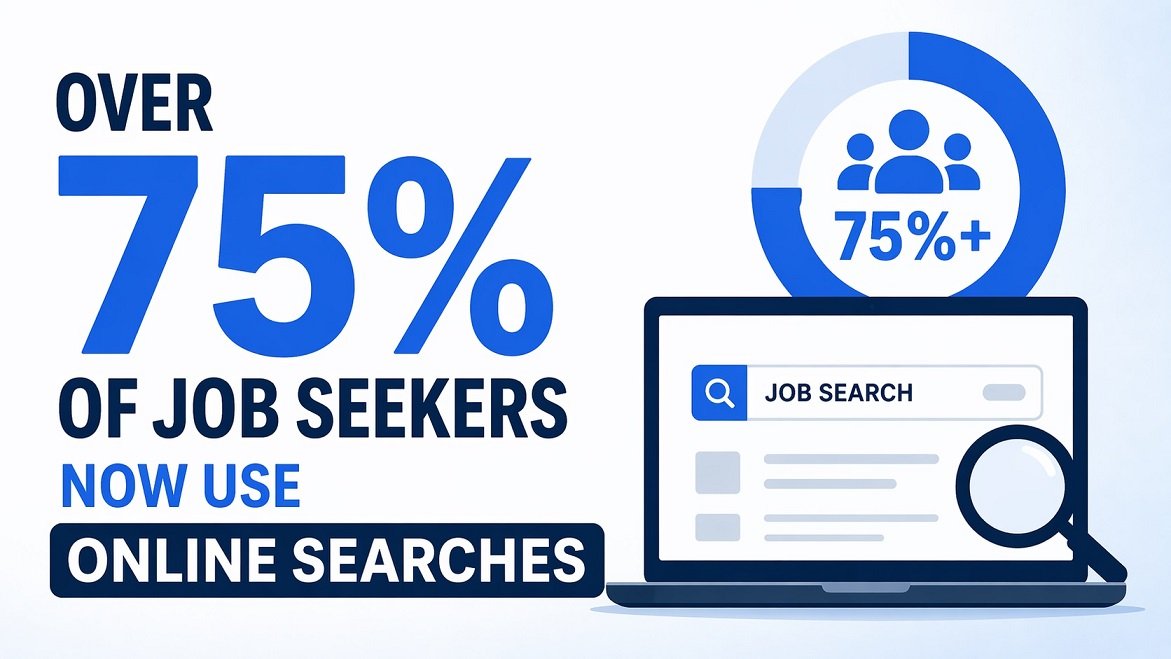
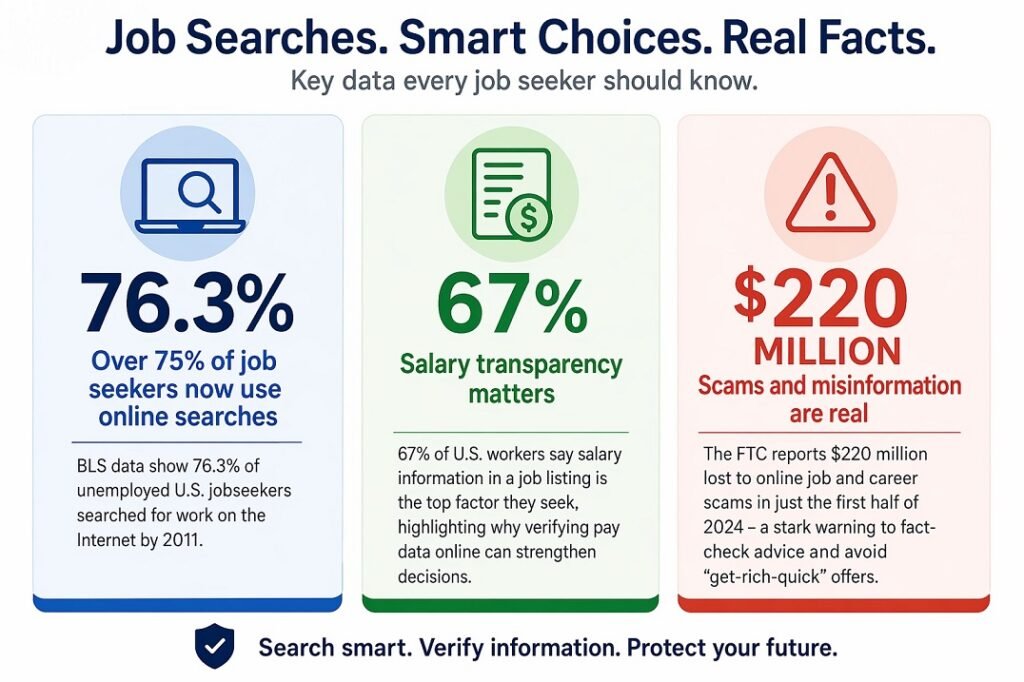
- Over 75% of job seekers now use online searches: BLS data show 76.3% of unemployed U.S. jobseekers searched for work on the Internet by 2011.
- Salary transparency matters: 67% of U.S. workers say salary information in a job listing is the top factor they seek, highlighting why verifying pay data online can strengthen decisions.
- Scams and misinformation are real: The FTC reports $220 million lost to online job and career scams in just the first half of 2024 – a stark warning to fact-check advice and avoid “get-rich-quick” offers.
Contents
Introduction
Many people rely on random snippets of internet advice when researching careers. It’s tempting to click the first link or take advice from social media pros, but this scattershot approach can backfire.
Misinformation and bias online can create confusion, wasted time, and even costly detours – for example, following hype about “hot careers” or “easy money” can lead to wrong career choices or unnecessary spending on courses. Professionals can spend years chasing the wrong path or falling for scams.
Used strategically, the internet is also one of the most powerful career research tools ever created. By starting broad, cross-checking sources, and focusing on reputable sites, job seekers and career changers can harness online resources to make better decisions and stay ahead of trends.
Why the Internet Has Become the First Place People Research Careers
The internet has transformed how people explore careers. Search engines and online platforms now dominate early career research. Many people, now, use the internet for researching career information.
Government and industry reports note that online job search is “the new normal” – for example, by 2011 76.3% of U.S. unemployed jobseekers were using the Internet to find work. LinkedIn alone exceeded 1.1 billion members by 2025, becoming a global hub for networking and career content.
Today’s job seekers routinely start on Google or YouTube, hop over to LinkedIn profiles or Glassdoor reviews for a company’s culture and salary insights, and even join forums (like Reddit’s r/careeradvice) for candid Q&As. This worldwide connectivity is far faster and richer than waiting for a local counselor or a dated career guide.
Major platforms fuel this shift. In one survey, 51% of U.S. workers and job seekers said an online job site (e.g. Glassdoor) was their preferred source for finding new opportunities.
Corporate career pages and government sites (like the U.S. Occupational Outlook Handbook or the Kenya Bureau of Statistics) are just clicks away, offering updated labor data. Video channels let experts walk you through fields, while peer communities share “insider” tips.
The internet’s global reach and 24/7 availability makes it the default first stop for career information – as long as you navigate it carefully.
Discover Reasons Why University Graduates Can’t Find Jobs Now (And Practical Solutions That Work)
7 Major Pros of Using the Internet for Career Research
Here are the 7 major pros of using the internet for researching career information:
1. Instant Access to Thousands of Careers
The web is a giant career library. Official databases like O*NET list over 1,000 distinct occupations, and job sites host millions of current openings worldwide. With a few clicks you can read job descriptions, required skills, and outlooks for any role.
Professional networks (e.g. LinkedIn) and company sites let you tap into people already in those careers. This breadth means you won’t miss possibilities: for example, niche tech and green-energy roles are easier to find online than in a paper pamphlet.
You benefit by discovering options you’d never have heard of locally, and can explore them in depth on your own schedule.
2. Real-Time Labor Market Trends
Online research delivers up-to-the-minute industry insights. Labor statistics portals (like BLS or KNBS) are constantly updated with growth projections and hiring trends.
For instance, recent U.S. data show healthcare and social assistance is projected to grow by 8.4% (≈2.0 million jobs) over 2024–2034, signaling strong future demand for roles like nurse practitioners. Websites like LinkedIn’s Economic Graph or Indeed’s hiring reports similarly highlight rising fields.
By tracking these trends online, readers can spot expanding sectors (e.g. renewable energy, AI, remote services) and plan accordingly.
This keeps you ahead: if you know manufacturing jobs recently added ~347,000 workers in Kenya, for example, you can target that booming sector rather than an industry that’s shrinking.
3. Salary Data Transparency
Thanks to online tools, you can compare pay for the same role across companies and regions. Sites like Glassdoor, PayScale, and government wage databases show salary ranges that used to be private secrets. This empowers stronger negotiation and smarter goal-setting.
Evidence shows candidates want this information: in one U.S. survey, 67% of job seekers listed “salary” as the top factor in deciding whether to apply.
Online research helps confirm those numbers – for example, you might learn the median software developer pay in Nairobi versus London, or see how much teachers earn in public vs. private schools.
By validating salary data from multiple sources, you avoid inflated claims and make more realistic career choices.
4. Learn Directly from Professionals
The internet puts industry veterans and coaches within reach. You can watch free career talks on YouTube, join webinars, and read interviews with people in target roles.
Professionals often blog about their day-to-day or post “day in the life” videos – knowledge that used to come only from paid mentors. For example, a software engineer might share her GitHub links and advice, or a digital marketer might live-stream Q&A sessions.
This direct learning accelerates skill-building and gives a realistic picture of jobs.
Many online courses and communities also connect you to experts, making it easier to map out learning paths recommended by those already succeeding in the field.
Recommended for you
Career Roadmap Playbook: A Practical 6–12 Month Career Planning Workbook
Original price was: $ 7.00.$ 4.00Current price is: $ 4.00.
5. Compare Industries Globally
Unlike hometown advice, online research is borderless. You can compare career options around the world to find the best fit. For instance, agriculture might dominate locally, but you could learn from international labor sites that tech is growing faster globally.
Many platforms offer location filters and country-specific salary info. As a result, you can discover remote work trends (e.g. demand for cybersecurity talent in multiple countries) or identify industries underserved in your region.
This wider perspective helps you spot global opportunities or decide to target markets with more jobs. In short, the internet expands your lens far beyond local constraints.
Explore Top 10 Fastest Growing Industries in the World Now
6. Discover Certifications and Learning Paths
Online career research easily uncovers which credentials and courses matter. Professional associations, tech companies, and MOOC platforms list recommended certificates or skills for each role. This is powerful: for example, a recent survey found 91% of hiring managers say certifications are an important factor in hiring.
Using the internet, you can learn that a CISCO certification boosts network engineer credibility, or that an Adobe credential opens doors in design. Platforms like Coursera or LinkedIn Learning show curricula to get those skills.
By exploring these resources, you can strategically plan focused training and avoid unnecessary effort.
Instead of questioning whether certification is worthwhile, they’ll gain clear, actionable guidance directly aligned with employer expectations and industry standards.
7. Better Self-Directed Career Planning
Finally, structured online tools help you take control of your own plan. Career quizzes, skill-gap analyzers, and roadmap generators guide you through the research.
You can build spreadsheets of roles, required skills, and timelines. This self-directed approach turns scattered browsing into an evidence-based strategy.
The internet’s wealth of free templates, planning guides, and community forums means motivated learners can craft a step-by-step career plan without waiting for formal counseling.
Readers benefit by moving at their own pace – the resources needed to map out a career move are available online, empowering you to transition with confidence.
Career Path Finder
Discover careers aligned with your strengths.
7 Major Cons of Using the Internet for Career Research
Here are the 7 major cons of using the internet for researching career information:
1. Massive Misinformation
The flip side of free content is that not all of it is true. Anyone can post career advice, and much of it is unverified or outdated.
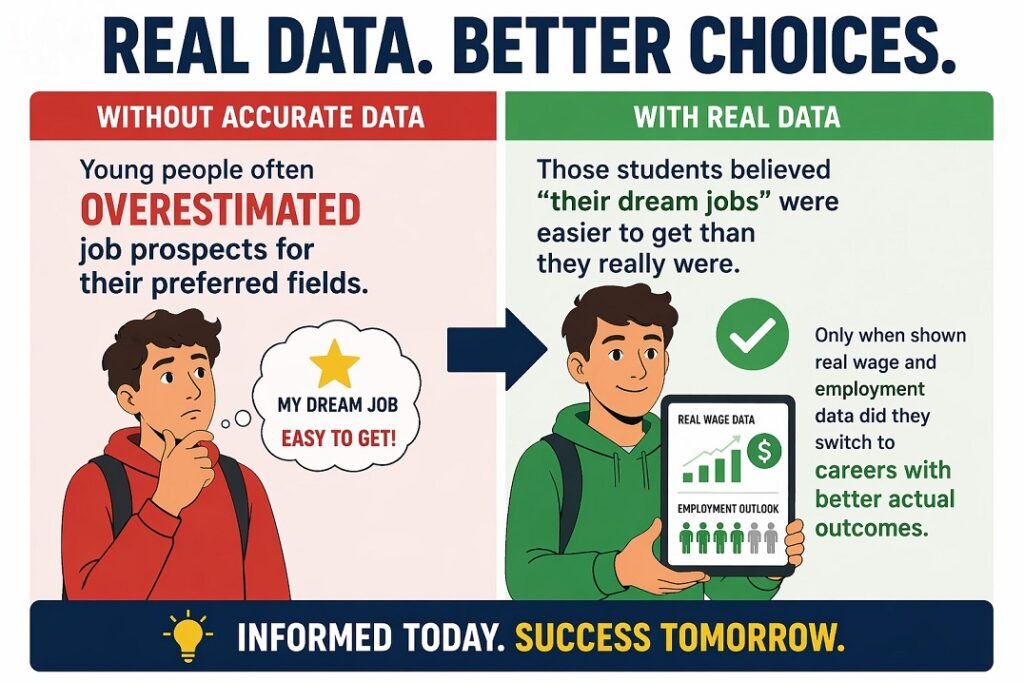
Academic research confirms this risk: for instance, a study of Dutch students found that without accurate data, young people often overestimated job prospects for their preferred fields.
Those students believed “their dream jobs” were easier to get than they really were. Only when shown real wage and employment data did they switch to careers with better actual outcomes.
In practice, this means generic advice online – like “become a doctor if you love science” or viral claims about remote work prosperity – can be based on fluff or old stats. Readers may chase careers that are oversaturated or shrinking simply because a blog or social post says it’s “hot.”
If an article or video has no references or dates, or if it pushes a single career path as ideal for everyone, be skeptical.
Misinformation often plays on optimism: seeing salary headlines or “boom” terms without context. Always cross-check claims (for example, compare to official labor reports).
2. Outdated or One-Size-Fits-All Advice
The job market evolves fast, but some online content does not. Many career blogs recycle old ideas (e.g. “always send a cover letter”) that employers may no longer value. Similarly, broad “top careers” lists often fail to distinguish regional or personal differences.
What was true five years ago might not hold today: take a look at university enrollment trends or industry growth charts.
If advice doesn’t cite current data or take into account your own situation (skills, age, location), it could lead you astray. For example, recommending a major that flooded the market a decade ago won’t help a mid-career pivot now.
3. Biased Influencer Content
Some online “career gurus” or platforms have agendas. They may promote certain fields or courses because of sponsorships or affiliate deals. A free webinar might upsell an expensive certification program, or a YouTuber might push one industry with high referral fees.
This bias can skew the information you receive. It may not be immediately obvious – after all, the advice sounds convincing – but be cautious.
Trustworthy guidance typically has transparency (clear credentials, or multiple success stories). If a source always ends in a sales pitch, consider it biased.
Readers should look for multiple voices, especially from neutral experts or official sources, rather than depending on a single influencer.
4. Unrealistic Salary and Outcome Claims
The internet is full of anecdotal “success stories” that set unrealistic expectations. You may find claims like “earn $100k in 6 months after this course!” or see isolated high salaries and assume everyone can achieve that.
In reality, salaries vary by location, experience, and demand. Unless data comes from broad surveys (like national statistics or company-wide reports), treat flashy figures with skepticism.
Always check salary claims against reputable sources (e.g. government wage data or Glassdoor ranges). Unrealistic promises can lead to disappointment or wasted time if you pursue a path expecting that payoff.
5. Information Overload
With so much content, job seekers can feel overwhelmed. A Google search for “web developer skills” can yield thousands of pages – courses, tutorials, blog posts, job listings, forums – all with differing advice. Sorting through this “info fog” takes effort and discernment.
Overload can paralyze decision-making: you might go down endless rabbit holes (e.g. comparing 50 different roles) and burn out. To guard against overload, use targeted strategies (as in our 5-step method below) and focus on a few high-quality sources.
Remember that more information isn’t always better – it’s what you do with the information that counts.
6. Scams, Fake Courses, and Imposters
Online scams targeting job seekers are on the rise. The FTC reports that reported losses on job and career scams tripled from 2020 to 2023, reaching over $220 million in the first half of 2024.
These schemes take many forms: fake recruiters on LinkedIn, “training programs” that charge upfront fees but deliver nothing, or ghost job listings that harvest your data.
For example, some fraudsters use text messages to lure people into fake “task jobs” that only end when you pay money you’ll never get back.
Consequences: Falling for a scam can cost you thousands and waste valuable time. Even a seemingly good deal (“exclusive career transition package”) could be a ploy. Always vet offers: real employers won’t ask you to pay or transfer money, and authentic courses will have verifiable reviews.
Check Better Business Bureau or FTC alerts, and be wary of anything that feels too good to be true.
7. Generic Advice that Ignores Your Situation
Finally, much online advice is one-size-fits-all. A blog post might tout a career path without considering different entry requirements, or an influencer might say “you don’t need a degree.” Every person’s background, location, and goals are different.
Advice that works for one – say a college graduate in a U.S. tech hub – may not work for another in a different country or life stage. The internet rarely tailors guidance.
For example, career pivots for mid-career professionals have different obstacles than for fresh grads, and COVID has changed hiring in many fields.
Be mindful: if advice doesn’t address your specific context, take it with a grain of salt and seek out niche communities or mentors for your situation.
Career Path Finder
Discover careers aligned with your strengths.
How to Prudently Use the Internet for Researching Career Information
To turn the internet into an effective career-planning tool, follow a structured approach. The 5-Step Smart Career Research Method can keep you on track.
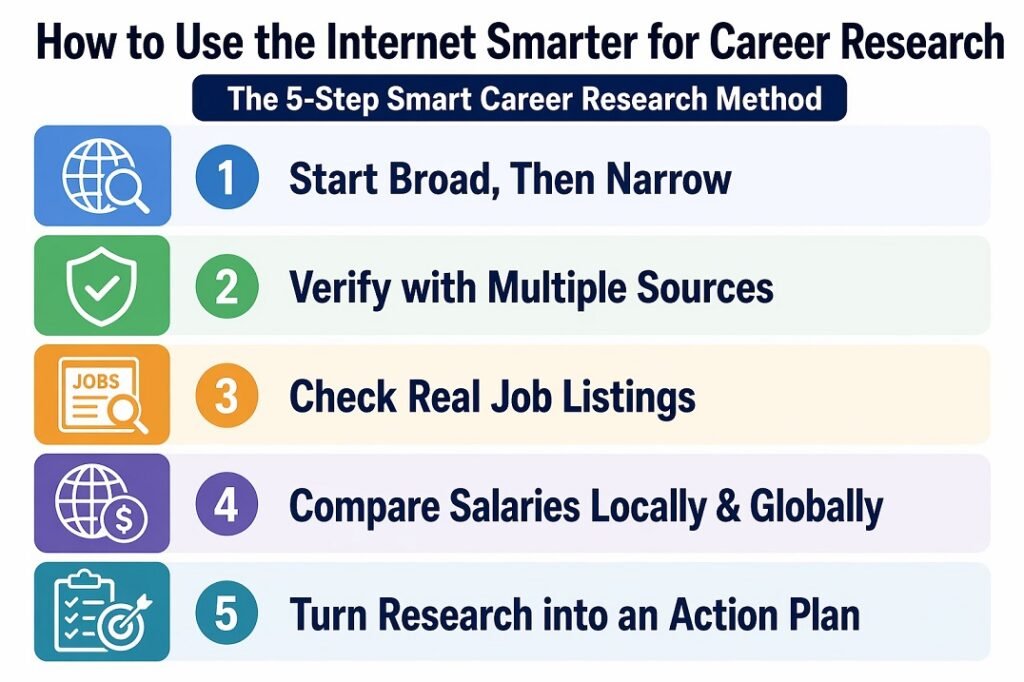
1. Start Broad, Then Narrow
Begin with general resources. Look at government labor sites (e.g. BLS or KNBS) to identify growing industries and average wages. Use tools like career quizzes or interest assessors to generate a short list of fields.
Next, dive deeper into each field: read occupation profiles, watch expert interviews, and note key skills required.
2. Verify with Multiple Sources
Don’t trust a single blog or social post. Cross-check any major claim (salary, growth rate, certification value) against at least two reputable sources. For example, if a YouTube video claims web dev jobs pay $80k/year, confirm with official salary sites or company postings.
Similarly, if one site ranks “top careers” differently than another, investigate why. This cross-checking filters out outdated or biased info.
3. Check Real Job Listings
A powerful tactic is to look at actual job ads. Search for openings in your area (or desired location) that match your target roles. These listings reveal real-time demand, required qualifications, and often salary ranges.
For instance, scanning “data analyst jobs” on LinkedIn can show what technical skills and certifications employers are asking for now. This step turns abstract research into concrete evidence of what the market actually wants.
4. Compare Salaries Locally & Globally
Use online salary comparison tools to see what you could earn. Enter the job title and region into sites like Glassdoor or Payscale. Compare urban vs. rural, or compare Nairobi to New York, etc. Also consider cost of living: an internet marketing manager’s pay might differ greatly by country.
By comparing local and global data, you can set realistic expectations (and potentially uncover opportunities abroad or in remote work).
5. Turn Research into an Action Plan
Finally, synthesize what you’ve learned into a step-by-step plan. Map out the skills to gain (via courses or certifications), update your resume for the target field, and set timelines.
Use templates or guides to structure this plan. Assign deadlines for each step (e.g., “complete UI design course by June”, “contact mentors by July”).
The internet provided the raw info; now you organize it into action. This disciplined approach ensures your online research leads to real progress, not just endless reading.
Best Sources for Reliable Career Information Online
Government and Official Data Portals
National labor statistics (e.g. U.S. BLS, UK ONS, KNBS in Kenya) and official occupational outlook handbooks are top-tier sources.
They provide authoritative forecasts and salary data (e.g. KNBS reported Manufacturing added 347,294 jobs in 2024). AscendurePro and similar sites aggregate this info into user-friendly profiles. These are unbiased and updated regularly.
Professional Associations & Industry Groups
Many fields have associations (like IEEE for engineers or ACCA for accountants) that publish career guides and standards.
These resources often detail career ladders, certifications, and ethical guidelines. For instance, engineering bodies outline what licensure you need for each level. Checking association websites can give vetted, up-to-date info specific to your field.
Company Career Pages and Official Blogs
Look at the careers or About Us pages of organizations you admire. Tech firms, NGOs, and government agencies often describe roles, values, and qualifications for entry-level positions.
Employee testimonials on company sites can also be illuminating. Since this info comes directly from employers, it’s credible about their culture and requirements.
Career-Focused Platforms (LinkedIn, Glassdoor, etc.)
LinkedIn not only has jobs but features articles and live panels on career topics. Following industry thought leaders on LinkedIn can expose you to valuable trends.
Glassdoor provides peer reviews of salaries and interviews – just remember to look at medians and many reviews, not one-off extremes.
Tools like Payscale or Paylab can also cross-reference salary data from various employers.
Industry Reports and News Sites
Business and trade publications (e.g. Business Insider Africa, Reuters, McKinsey Insights) often report on major hiring trends. For example, the Kenya Economic Survey (via BI Africa) highlighted top hiring sectors like manufacturing and agriculture.
Academic labor journals and think-tank reports can also offer researched analysis. These sources add context (economic factors, policy changes) that typical job sites lack.
Universities and Educational Platforms
University career services or alumni networks may share research on graduate outcomes and in-demand degrees.
Massive Open Online Course (MOOC) platforms publish reports on skills gaps based on their user data. Sites like Coursera or Udacity sometimes release insights on which fields are trending among learners worldwide.
AscendurePro’s Career Tools and Resources
Finally, don’t overlook structured guidance available through AscendurePro. The Career Transition Roadmap content lays out evidence-based steps to switch fields, and our High-Growth Industries guides analyze trends in key sectors.
Our Skills & Certifications articles list the credentials that matter most. In particular, our career insights consolidates curated articles on career news, salaries, and planning tips – a handy one-stop reference.
Most importantly, our top-notch AI tools provide instant coaching and insights to accelerate your transition into high-growth careers.
When Online Research Is NOT Enough for Carer Information
For some career decisions, an online search only goes so far. Situations that often call for deeper support include:
- Major Career Pivots or Multiple Options: If you’re choosing between very different fields (say switching from finance to nursing), personalized advice can clarify your transferable skills and new requirements.
- Mid-Career Stagnation: When you’ve been in one path for a decade and growth has plateaued, a mentor or career coach can help interpret online data in light of your experience.
- Negotiating Offers or Pay: Online salary tools give ranges, but a career advisor can help you negotiate effectively or assess hidden benefits.
- International/Remote Transitions: Moving careers across countries involves understanding visa rules, cultural fit, and new job markets – nuances that a generic internet search might miss.
- Education vs. Experience Tradeoffs: Deciding between earning a degree, certification, or hands-on training often requires personalized guidance, not just general blog advice.
Conclusion
The internet is neither a career oracle nor a dead end – it’s a tool, and its value depends on how you use it. Randomly browsing job advice can lead to confusion or scams, but structured, strategic research can uncover opportunity.
Always remember: cross-check facts, focus on reliable sources, and turn what you learn into concrete steps. With smart filtering and an action plan, online career research becomes your advantage.
Use search engines, industry sites, and community forums wisely, and let data – not hype – guide your decisions. In the end, the internet’s vast resources can be your career accelerator, provided you stay critical, stay focused, and supplement it with real-world checks.
FAQs on Using the Internet for Researching Career Information
Q1. Is the internet reliable for career research?
It can be – but not on its own. The internet offers vast data, from official statistics to insider stories. However, you should verify any online information through reputable sources (government labor sites, professional associations, company career pages).
Use multiple sources and expert input. If you critically evaluate the content and cross-reference facts, online research becomes reliable.
Q2. What are the best websites for researching careers?
Authoritative sites rank high: government portals like the U.S. Bureau of Labor Statistics or Kenya’s labor surveys provide solid data.
O*NET OnLine and CareerOneStop are excellent for U.S. careers.
LinkedIn and Glassdoor offer peer insights on companies and roles (remember to look at aggregate data, not single reviews).
Industry-specific associations (e.g. IEEE, medical boards) often have career info.
Q3. What are the dangers of researching careers online?
The main risks are misinformation and scams. You may encounter outdated or biased advice, oversimplified “hacks,” or self-serving content by influencers. Fake job ads and diploma mills also lurk online.
As reported by the FTC, online job scams are surging (with $220M lost in the first half of 2024).
To stay safe, stick to trusted sources, watch out for too-good-to-be-true offers, and never pay for a job or “guaranteed” career plan.
Q4. How do I know if salary data is accurate?
Always cross-check salary figures. Look at multiple salary aggregators (Glassdoor, PayScale, government wage statistics) and consider median ranges. Be wary of one-off high numbers from individual blogs or posts.
Also factor in location and experience level: a “high” salary in one city may be average in another. Comparing data from official surveys and crowd-sourced reviews gives a truer picture.
Q5. Should I rely only on internet research for career decisions?
No – while the internet should be your first stop, it shouldn’t be the only one. Online research is a powerful starting point, but complex decisions often need human insight.
For major career transitions, salary negotiations, or personalized guidance, supplement online data with mentorship, or career counseling.
Combining internet research with expert advice ensures your decisions are both data-driven and tailored to your situation.
Join Us
Get clear roadmaps, in-demand skills insights, and proven strategies to help you move into high-growth, future-proof careers — no fluff.
